
SERP movements refer to position changes of websites in search engine results pages, while search volatility measures the frequency and severity of these fluctuations across an industry over a specific timeframe.
Waking up to discover your primary revenue-driving keywords have plummeted is a terrifying experience for any business owner. The initial instinct is panic, followed by a frantic rush to change page titles, rewrite content, and dismantle technical configurations. You must resist this urge. Ranking fluctuations are not a disaster; they provide exact, actionable data about what search engines currently reward. By treating this turbulence as a diagnostic tool, you position your brand to recover lost ground and overtake competitors who are busy making reactionary, unguided changes.
What Are SERP Movements and Volatility?
Understanding the distinction between standard ranking adjustments and algorithmic volatility is the first step in formulating a response strategy. Search engines process billions of queries daily, and they constantly test new result layouts, assess user engagement signals, and recalibrate baseline ranking metrics. This constant state of testing causes minor, daily shifts. Algorithmic volatility represents a completely different scenario where foundational ranking criteria change entirely.
Background Noise: These are standard, expected fluctuations. A keyword moves from position three to position four, or bounces between the bottom of page one and the top of page two. This happens constantly and requires no immediate strategic pivot.
Algorithmic Volatility: These are massive, multi-position swings affecting entire keyword clusters and category pages simultaneously. When volatility strikes, your site loses 20 to 50 percent of its visibility overnight, indicating a fundamental shift in how the search engine evaluates your industry.
4 Primary Causes of SERP Volatility
Search engine result pages shift dramatically for specific, identifiable reasons. Diagnosing the root cause dictates your exact path to recovery.
1. Core Algorithm Updates and Data Refreshes
Search engines deploy major core updates several times a year to refine how they assess quality, relevance, and authority. During a core update rollout, ranking algorithms completely recalculate trust signals across the web. These updates evaluate site-wide quality thresholds, meaning a drop here indicates systemic issues rather than a localized on-page problem. If your traffic crashed after Google’s update, you must audit your entire domain’s authority profile and content quality standards.
2. The Introduction of New SERP Features
Search engines continuously evolve their interfaces to keep users on their platforms longer. The introduction of AI Overviews, expanded People Also Ask boxes, and localized map packs directly displace traditional organic listings. Your site does not actually lose its organic ranking in these scenarios; rather, the traditional number one spot gets pushed down the page by a new visual element. Adapting to this requires formatting your data to capture these new rich snippets.
3. Shifts in User Search Intent
The meaning behind a search query changes based on current events, seasonal trends, and consumer behavior shifts. When search engines detect that users want informational guides rather than transactional product pages for a specific keyword, they rewrite the entire results page. If your e-commerce product page drops out of the top ten, the algorithm has determined the user intent shifted from buying to learning.
4. Aggressive Competitor Content Upgrades
Volatility does not always stem from algorithmic changes. When well-funded competitors launch massive content overhauls, execute aggressive digital PR campaigns, and improve their technical infrastructure, they force a realignment of the search results. If you remain stagnant while competitors actively make your website’s SEO better, their upward momentum pushes your site down the page by default.
The LookupRank 10x Strategy: The Competitor Volatility Matrix
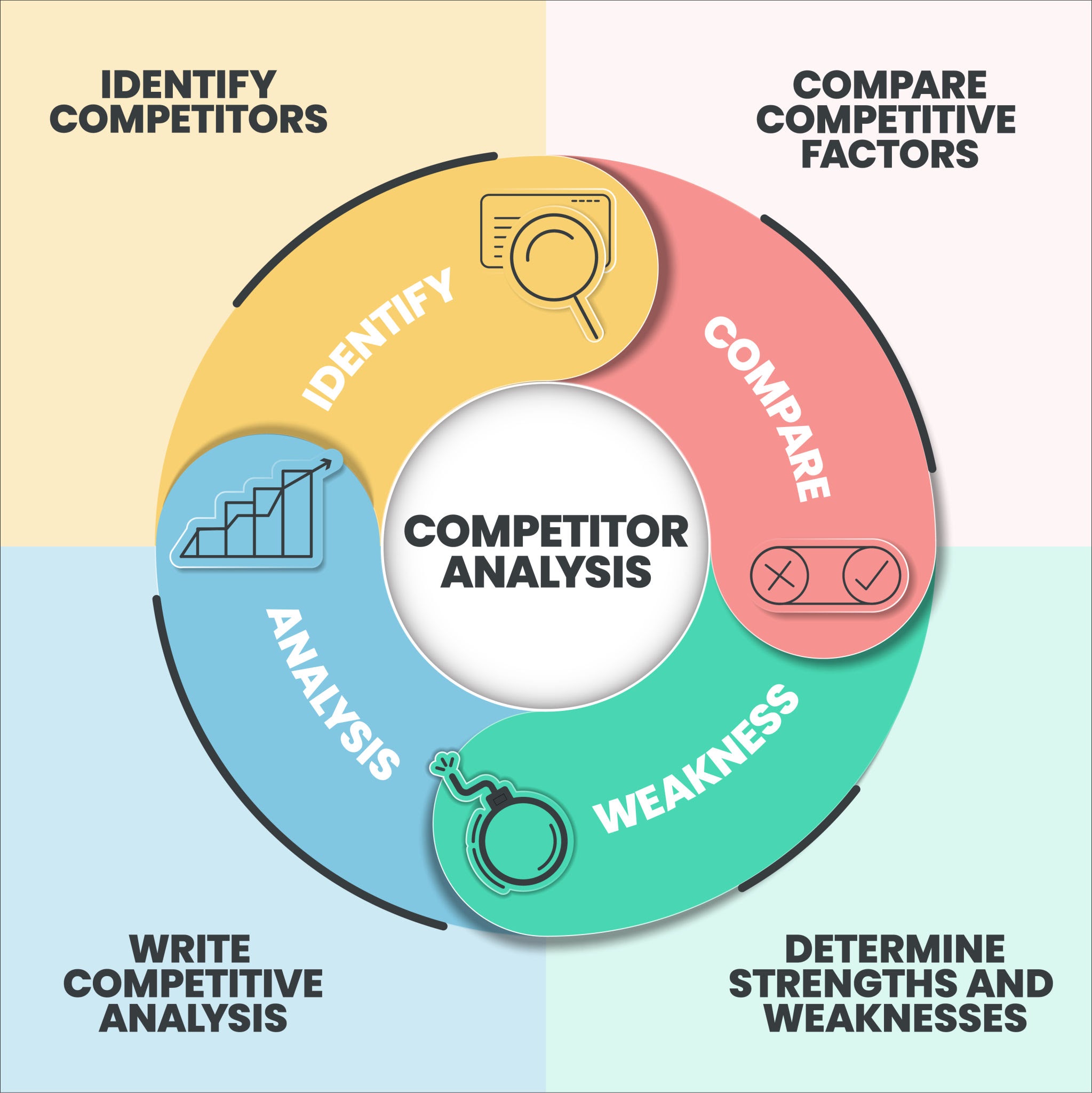
At LookupRank, our core philosophy as an expert SEO Consultancy is that analyzing your own ranking drop provides only a fraction of the necessary data. Staring at your declining traffic metrics offers no strategic direction. To engineer a recovery, you must conduct a precise competitor analysis to identify exactly who or what took your spot.
We developed the Competitor Volatility Matrix to diagnose SERP displacement. This proprietary framework shifts the focus away from your own website and places it entirely on the URLs that replaced you. By categorizing the new top-ranking pages, we reverse-engineer the search engine’s new preference and formulate a winning counter-strategy.
Competitor Volatility Matrix
| Who Took Your Spot | Likely Cause | Our Strategic Response |
| A New AI Overview or Rich Snippet | Search engine interface change prioritizing zero-click information delivery. | Restructure content with clear Q&A formats, schema markup, and concise definitions to capture the snippet. |
| An Established Direct Competitor | Competitor improved topical authority, updated historical content, or acquired superior backlinks. | Conduct a granular content gap analysis, expand page depth, and secure high-authority placements to neutralize their advantage. |
| A Massive Authority Publisher (e.g., Forbes, Reddit) | The algorithm prioritized raw domain authority and crowdsourced discussions over niche expertise. | Pivot target keywords toward long-tail, highly specific commercial intent queries where niche authority outranks generalist publications. |
| An Informational Blog (replacing your product page) | User intent for the keyword shifted from transactional (buying) to informational (researching). | Build a comprehensive educational hub targeting the informational intent, then funnel that traffic seamlessly to your transactional pages. |
This matrix proves that deep competitor analysis is the only valid method for reversing a downward trend. Guessing at solutions wastes time and capital.
How to Track and Measure Ranking Fluctuations
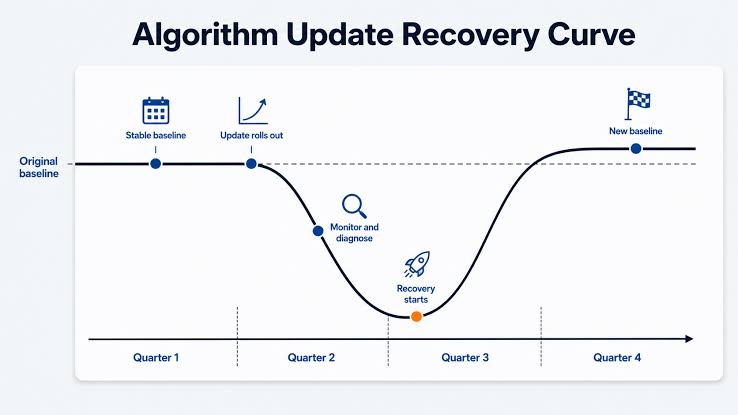
Accurate measurement dictates effective action. Relying on a single data point guarantees a flawed diagnosis. You must utilize a two-tiered tracking methodology to separate global algorithmic weather from localized issues affecting your specific domain.
First, you monitor industry-wide weather tools. Platforms like Semrush Sensor, MozCast, and specialized trackers measure the overall temperature of the search results across millions of queries. When these tools show extreme heat, the turbulence is global. The search engine is actively updating its core systems, and your ranking drops are part of a macro-level recalculation [1.1.2, 1.1.8].
Second, you utilize daily rank tracking software configured specifically for your exact keyword clusters. This localized data reveals how your specific domain fares against your direct competitors. If global weather tools show complete calm, but your daily rank tracker shows a 30-position drop for your primary service pages, you have a localized issue. This scenario points directly to a technical failure on your site, an aggressive move by a competitor, or a sudden loss of critical backlinks. Proper diagnosis requires both macro and micro data streams.
How to Respond When Your Site Loses Rankings
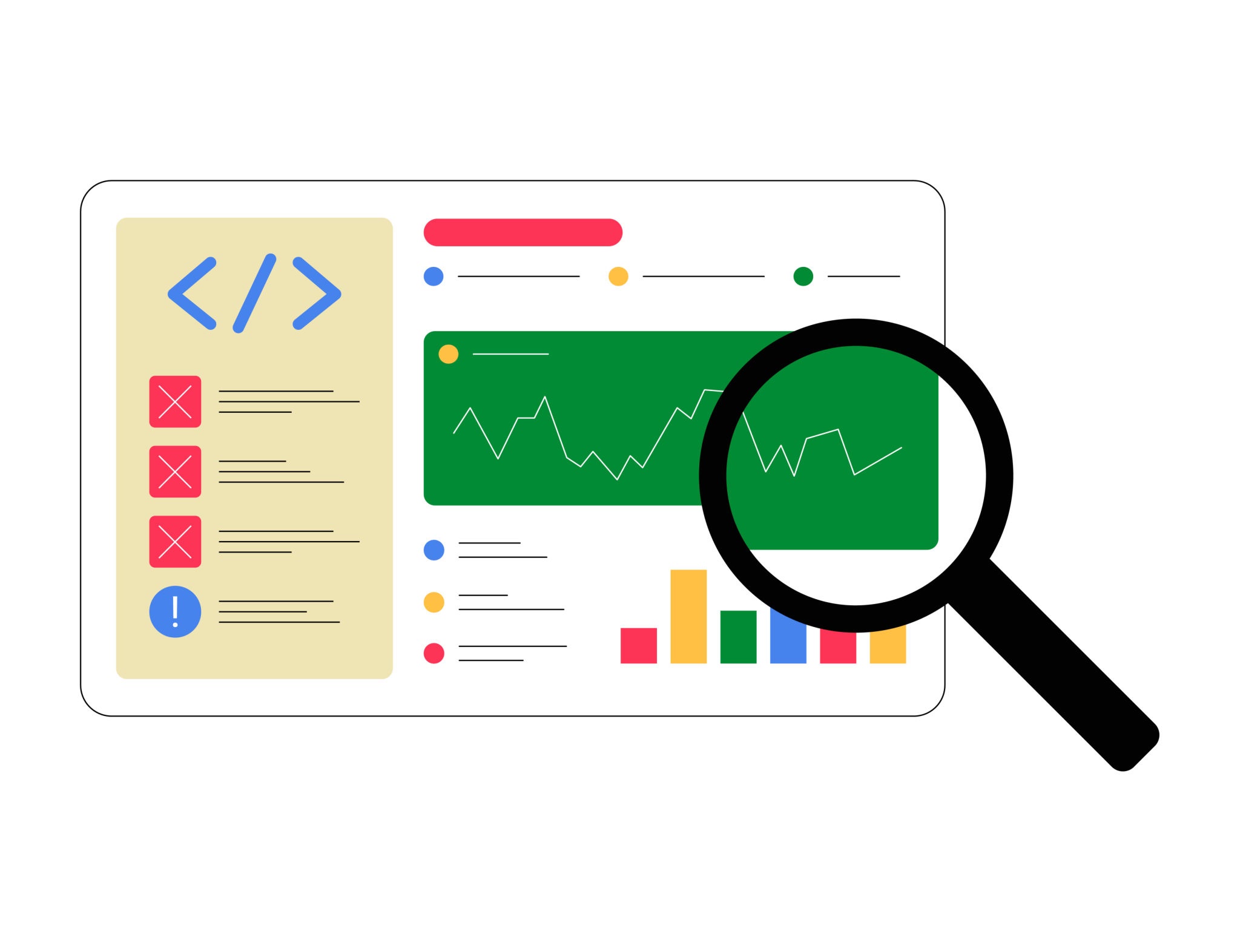
Action without analysis causes permanent damage to your search visibility. When volatility impacts your revenue, implement this exact three-step action plan to stabilize your digital presence.
Wait 14 days for the algorithm rollout to settle. Algorithm updates roll out in phases across different data centers globally. During this two-week window, rankings bounce wildly. A page dropping to position 40 on Tuesday will return to position 2 on Thursday. Making panic-driven edits during this period guarantees you optimize against incomplete data. Freeze all major content and code deployments until the volatility sensors return to normal baselines.
Check technical health, crawl errors, and indexation issues. Once the dust settles, rule out technical failures before assuming a content quality issue. Review your server logs, check your Google Search Console coverage reports, and verify that your robots.txt file remains intact. A broken canonical tag or an accidental “noindex” directive causes catastrophic ranking drops that look identical to an algorithmic penalty. You must verify your foundation is secure.
Conduct a granular competitor analysis on the new top 5 ranking pages. If your technical foundation is flawless, the algorithm simply prefers a different style of content. Open the top five pages currently ranking for your lost keyword. Analyze their word count, their heading structure, their multimedia usage, and the specific subtopics they cover that your page ignores. You must identify these content gaps and upgrade your page to definitively answer the user’s query better than the current leaders.
FAQ
How long does SERP volatility last after a core update?
Core updates require extensive processing power to recalculate the entire search index. This rollout period takes exactly 14 to 21 days to complete fully [1.1.1]. You will see extreme daily ranking fluctuations until the search engine officially confirms the deployment is finished.
Should I update my content during an active algorithm rollout?
You must halt all major content updates during an active rollout. Editing a page while the search engine recalculates its value corrupts the data and prevents you from understanding the true impact of the update. Wait until the rollout is complete before implementing targeted improvements.
What is the difference between a manual penalty and SERP volatility?
A manual penalty is a targeted, human-issued punishment applied to your site for violating specific search engine guidelines, completely removing your pages from the index. SERP volatility is an automated, algorithmic recalculation of quality signals that causes your rankings to shift up or down based on new mathematical weighting.
Why did my site drop in rankings but my traffic stayed the same?
Ranking drops do not always equal traffic loss if the search volume for that specific keyword increased simultaneously. Furthermore, your site often gains visibility for hundreds of new long-tail variations during an update, perfectly offsetting the traffic lost from a single primary keyword drop.
Your Next Steps for SEO Stability
Achieving dominance in organic search requires emotional discipline and rigorous data analysis. When volatility strikes, you must ignore the impulse to make rapid, unguided changes. You protect your revenue by diagnosing the exact cause of the turbulence, auditing your technical foundation, and deploying the Competitor Volatility Matrix to decode the search engine’s new preferences. Securing long-term search rankings demands a systematic approach that values forensic analysis over blind guesswork.
SEO is a marathon, and the rules of the race change constantly as artificial intelligence reshapes how users find information. Understanding the future of SEO means accepting that volatility is a permanent feature of the digital landscape. Partnering with an expert SEO consultancy turns this constant turbulence into your most significant competitive advantage. While your competitors panic and destroy their own rankings with frantic edits, you execute a precise, data-backed recovery strategy.
If your business recently suffered a catastrophic drop in search visibility, you need professional intervention. You need a team that looks beyond your website to analyze the entire competitive landscape, identifying the exact expert off-page SEO solutions and content upgrades required to reclaim your market share. Contact LookupRank today for a custom competitor analysis and secure your digital revenue against future algorithm updates.


